
Last Updated: November 9, 2026
Quick Summary
To clean diamond jewellery at home safely, soak it for 10 to 15 minutes in warm water with a few drops of mild washing-up liquid, brush gently behind the diamond and around the prongs with a soft toothbrush, rinse thoroughly and pat dry with a lint-free cloth. Avoid bleach, chlorine, toothpaste and abrasives, and check the setting for wobbles afterwards.
- Cleaning a diamond ring at home takes about ten minutes using the same six-step method.
- Clean everyday diamond pieces once a week, deep clean monthly and get a professional check yearly.
- Never use bleach, chlorine, toothpaste, baking soda, abrasive cleaners or hot water on diamond jewellery.
- For mixed-stone pieces, clean for the most fragile stone and keep soaks to a minute or two.
- Pat jewellery dry rather than rubbing, and store each piece separately to prevent scratches.
Table of Contents
- The Safest Way to Clean Diamond Jewellery at Home
- How to Clean a Diamond Ring at Home: Step by Step
- Cleaning Diamond Jewellery With Washing-Up Liquid
- What Not to Use to Clean Diamond Jewellery
- How Often to Clean Diamond Jewellery
- Cleaning Diamonds Set With Other Gemstones and Different Shapes
- Drying, Polishing and Storing Diamond Jewellery
- When to Bring Your Diamond Jewellery to a Professional Jeweller
- Frequently Asked Questions
The Safest Way to Clean Diamond Jewellery at Home
Most diamond jewellery can be cleaned safely at home with warm water, mild washing-up liquid and a soft-bristled toothbrush.
Diamonds are tough. The metal holding them is not. That is the single fact most cleaning guides skip, and it shapes every step below.
Below, we show you exactly how to clean diamond jewellery at home safely, using items already in your kitchen. The Gemological Institute of America's diamond care guidance puts it plainly: avoid chlorine bleach and abrasive cleaners.
How to Clean a Diamond Ring at Home: Step by Step
Cleaning a diamond ring at home takes about ten minutes. The method is the same for a solitaire, a wedding band or diamond studs; only how gently you handle the setting changes.
What You'll Need Before You Start
Gather everything first:
- A small bowl of warm water
- A few drops of mild washing-up liquid
- A soft-bristled toothbrush, ideally a baby or extra-soft one
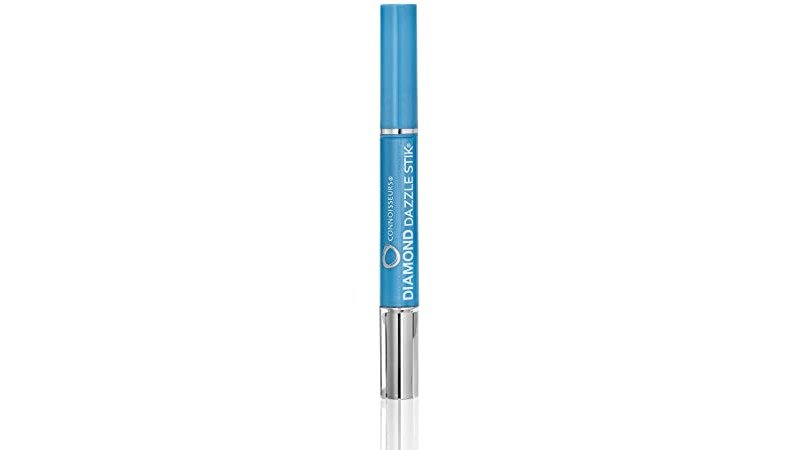
A ready-made option works well if you would rather not mix your own solution. The Connoisseurs diamond dazzle Stick is a diamond cleaning product designed for exactly this job, and at £11.00 it is a simple addition to a home cleaning kit.

The Six-Step Cleaning Method
- Plug the sink or use a bowl. Loose stones vanish down plugholes.
- Soak for 10 to 15 minutes. Warm water with a few drops of washing-up liquid lifts oil and grime from behind the stone.
- Brush gently. Clean behind the diamond and around the prongs with short, light strokes.
- Rinse thoroughly. Remove all soap residue under warm running water or in a clean bowl.
- Pat dry. Press with a lint-free cloth; do not rub hard against the setting.
- Check the setting. Nudge each stone gently. A wobble means a jeweller visit.
Watch out: the biggest mistake is scrubbing hard to shift stubborn grime. Brushing too firmly near prongs works stones loose. Light pressure, more often, beats heavy pressure once.
Cleaning a diamond ring at home takes about ten minutes; here is the six-step method at a glance.
| Step | What to do | Time or frequency |
|---|---|---|
| 1 | Plug the sink or use a bowl | Before starting |
| 2 | Soak in warm water with a few drops of washing-up liquid | 10 to 15 minutes |
| 3 | Brush gently behind the diamond and around the prongs | Short, light strokes |
| 4 | Rinse thoroughly under warm running water | Until soap residue is gone |
| 5 | Pat dry with a lint-free cloth | Do not rub hard |
| 6 | Check the setting by nudging each stone gently | A wobble means a jeweller visit |
Cleaning Diamond Jewellery With Washing-Up Liquid
Washing-up liquid is the best everyday cleaner for diamond jewellery. It cuts through the skin oils, lotions and cosmetics that dull a diamond's sparkle, and it is gentle on gold and platinum settings.
The mix is simple: a few drops in a bowl of warm water. No measuring, no special formula.
What most guides miss is the rinse. Soap left behind a diamond attracts dust and looks like cloudiness within days. Rinse longer than feels necessary.
What Not to Use to Clean Diamond Jewellery
Some household products do real damage. Bleach, chlorine and abrasive cleaners can pit metal, weaken settings and dull the surface over time.
Avoid these:
- Bleach and chlorine. They attack the metal alloy in gold and platinum settings.
- Toothpaste. It contains abrasives that scratch metal and leave residue.
- Baking soda. A popular home remedy, but abrasive on settings and hard to rinse out.
The GIA's advice on keeping diamonds sparkling is clear: skip chlorine bleach and abrasives. It is worth following.
How Often to Clean Diamond Jewellery
Clean diamond jewellery once a week for everyday pieces. A ring worn daily collects oils fast and looks dull within days.
A simple routine:
- Daily wear pieces: once a week, plus a quick rinse after heavy hand cream or cooking
- Occasional pieces: before each wear
- Deep clean: monthly, with the full six-step method
If you are choosing a piece for constant wear, our guide on how to choose diamond jewellery for daily wear covers what to look for.
Cleaning Diamonds Set With Other Gemstones and Different Shapes
Most cleaning guides treat every diamond the same. That is a mistake. A diamond is the hardest natural material, but the stones beside it and the metal around it are not. When a ring mixes diamonds with sapphires, emeralds, pearls or opals, clean for the most fragile stone, not the diamond.
Mixed-Stone Combinations and What Changes
- Diamond with sapphire or ruby. Corundum is hard and stable, so the standard warm soapy water method is safe. Keep the soak to 10 to 15 minutes and avoid sudden temperature changes, which can stress stones with inclusions.
- Diamond with emerald. Emeralds are commonly treated with oils or resins to fill surface-reaching fractures, and those treatments can be drawn out by soaking, heat or detergents. Use minimal soaking, a minute or two at most, lukewarm water, and a barely damp brush. Never use an ultrasonic cleaner or steam on emerald.
- Diamond with pearl. Pearls are soft, porous and sensitive to soap, perfume and heat. Do not soak the piece. Clean the diamond area only with a damp soft brush, wipe the pearl with a clean damp cloth, and dry immediately. Keep pearls away from washing-up liquid residue.
Soap residue trapped under a side stone attracts dust and can look like cloudiness within days. Rinse mixed-stone pieces longer than feels necessary, but keep the water lukewarm.
Watch out: never assume a mixed-stone ring can go in an ultrasonic cleaner just because the centre stone is a diamond. The vibration and solution can damage treated emeralds, opals and pearls, and loosen small side stones in thin prongs.
Why Diamond Shape Changes the Cleaning Approach
- Round brilliant. The most robust shape for cleaning. The girdle is relatively thick and the setting usually protects it. Standard brushing behind the stone is safe.
- Pear and marquise. These shapes have pointed ends, and those points are vulnerable to chipping if knocked against a hard surface. When brushing, support the point with your finger or clean the piece over a bowl rather than holding it loosely. Do not press the brush against the point.
- Princess and square cuts. The corners are the weak points. The same care applies: brush the flat faces and the area behind the stone, but avoid levering the brush against a corner.
A Practical Method for Mixed-Stone Pieces
- Identify every stone in the piece before you start. If you are unsure what a side stone is, treat it as fragile.
- Use lukewarm water and a few drops of mild washing-up liquid. Never hot water.
- Keep the soak short if any stone is porous or treated, a minute or two is enough for the diamond, and safer for its neighbours.
- Brush the diamond and the metal around it, not the fragile stones. A soft brush can dislodge grime without pressing on a pearl or opal.
- Rinse in clean lukewarm water, then pat dry with a lint-free cloth. Dry fully, especially around settings where water can sit.
- Store the piece separately so harder stones do not scratch softer ones.
For gemstone-specific guidance beyond diamonds, our guide on how to clean Thomas Sabo jewellery covers the different materials you may find in a mixed collection.
Drying, Polishing and Storing Diamond Jewellery
Cleaning is only half the job. How you dry, polish and store a piece determines how long it stays clean and how much wear it avoids.
Drying: Why Residue Causes Cloudiness
A damp diamond attracts dust and lint, and soap residue left behind the stone dries into a film that looks like cloudiness. Rinse longer than feels necessary, then pat dry rather than rubbing.
- Pat, do not rub. Press a lint-free or microfibre cloth against the piece; rubbing hard against prongs works stones loose.
- Dry the back of the stone. Most grime sits behind the diamond, around the pavilion and prongs. Turn the piece over and pat that side dry.
- Use a cloth that does not shed. Kitchen paper and fluffy towels leave fibres in settings.
Watch out: never dry diamond jewellery with a hairdryer on a hot setting. The heat can loosen glue in some settings and shock heat-sensitive side stones.
Polishing: Bring Back the Metal, Not Just the Stone
A diamond can be spotless while the metal around it looks dull. Polishing the metal is a separate step, done last, gently, with a dry cloth.
- Buff the metal, avoid the stones. A gentle buff on the band and setting restores shine without pressing on prongs.
- Do not use abrasive polishes on rhodium-plated white gold. Abrasives wear through the plating. A dry microfibre cloth is enough for routine polishing.
- Polish after every clean, not every day. Over-polishing soft metals slowly removes material; once a week is plenty.
Storing: The Long-Term Gap Most Guides Miss
Storage is where future cleaning problems are created or prevented. Three mechanisms matter: abrasion, moisture and air exposure.
- Abrasion. A diamond will scratch softer stones and polish metal over time. Keep each piece in its own pouch or compartment.
- Moisture. Steamy bathrooms and damp drawers accelerate tarnish. Store jewellery dry and cool, away from bathrooms and kitchens.
- Air exposure. Silver tarnishes faster when exposed to air and sulphur compounds. Anti-tarnish strips or sealed pouches help for occasional pieces.
A practical routine: after each wear, wipe the piece with a dry cloth, let it air a few minutes, then return it to its own pouch.
If you want to be sure your diamonds are genuine before investing time in their care, our guide on how to verify diamond authenticity at home walks through the checks.
When to Bring Your Diamond Jewellery to a Professional Jeweller
Consider having diamond jewellery checked by a professional jeweller if a stone feels loose or the setting looks worn.
Signs it is time to book:
- A stone moves or rattles when you tap it gently
- A prong looks bent, worn or misaligned
- The diamond looks cloudy even after cleaning
Ultrasonic cleaners are not right for every piece. Loose stones, or treated or sensitive gemstones, can be harmed by the vibration.
If you are weighing up home cleaning against a professional service, our guide on whether professional jewellery cleaning is worth it sets out the difference.
Cleaning diamond jewellery at home is simple once you know the safe method.
That is where we come in. At Morgan Banks, we offer a curated selection of fine jewellery and have been a trusted jeweller since 1935.
Frequently Asked Questions
Can you clean diamond jewellery with washing-up liquid?
Yes, washing-up liquid is one of the safest options for cleaning diamond jewellery at home. It cuts through the skin oils, lotions and cosmetics that dull a diamond's sparkle without harming the stone. Use a small amount in a bowl of warm water, soak the piece for 10 to 15 minutes, then brush gently with a soft-bristled toothbrush. Avoid any washing-up liquid that contains bleach or chlorine, and rinse thoroughly afterwards so no residue is left behind.
How long should you soak a diamond ring?
A 10 to 15 minute soak in warm water with mild dish soap is enough to loosen everyday buildup of oil residue and grime. For a ring that has not been cleaned in months, you can extend this to 20 or 30 minutes. Longer soaking does not damage a natural diamond, but it can affect some settings and softer gemstones, so keep the soak short if your piece includes other stones or a gold setting with glued components.
What should you avoid when cleaning diamond jewellery?
Skip bleach and chlorine, which can damage a gold setting over time. Never use abrasive cleaners, toothpaste or baking soda, as these can scratch the metal and dull the surface. Avoid ultrasonic cleaners if your ring has loose stones or is set with softer gemstones. Also steer clear of harsh chemical cleaners and anything containing ammonia unless a jeweller has confirmed it is suitable for your specific piece.
When should diamond jewellery be cleaned by a professional?
Book a professional clean when you notice a stone feels loose, the setting looks worn, or the diamond stays cloudy after a home clean. A jeweller can check prongs and setting integrity, tighten loose stones and use equipment that reaches areas a toothbrush cannot. As a rule, have pieces worn daily inspected once a year. At Morgan Banks, we have been a trusted jeweller since 1935.
