
Table of Contents
- What Makes Bespoke Jewellery Different
- Bespoke Engagement Rings in Cumbria: The Design Journey
- Remodelling Heirloom Jewellery Services
- Custom Wedding Bands Design Process
- Materials and Ethical Sourcing in Bespoke Jewellery
- Bespoke Versus Off-the-Shelf: What You Should Know
- Working with Artisans Remotely and In-Person
- Conclusion
- Frequently Asked Questions
Last Updated: August 30, 2026
What Makes Bespoke Jewellery Different
Bespoke jewellery is created specifically for you, reflecting your vision and personal story. Unlike mass-produced pieces, a bespoke piece is handcrafted by a skilled goldsmith who works directly with you throughout creation. A master craftsperson translates your ideas into precious metals and gemstones through genuine artisanal skill, creating something that exists nowhere else.
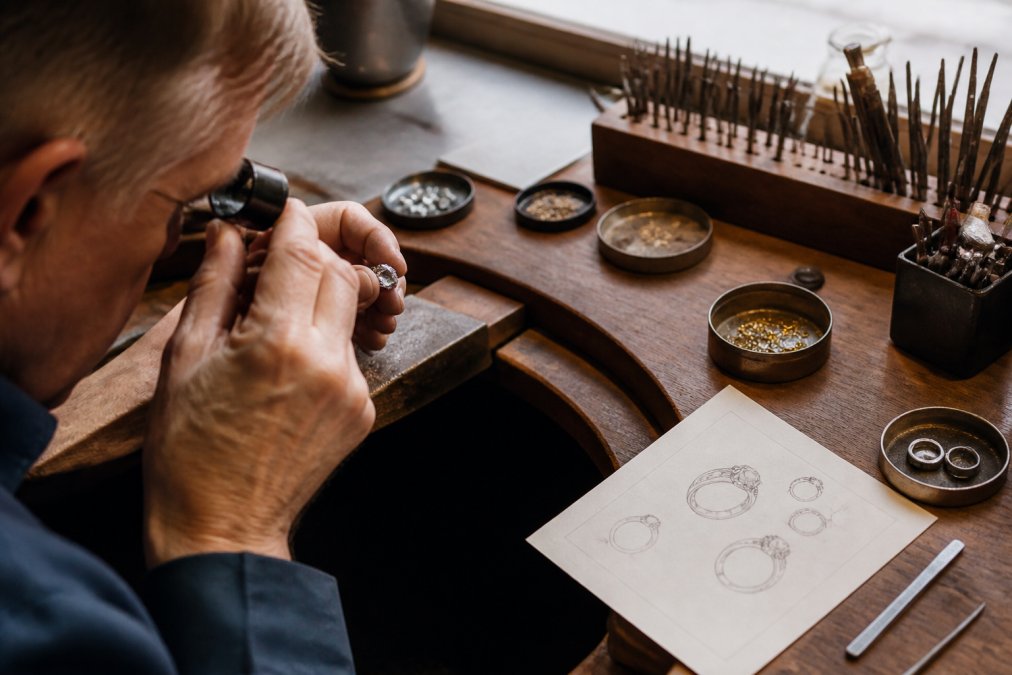
This collaborative relationship with your jeweller means you're not choosing from pre-existing inventory, you're partnering with an experienced artisan. The craftsmanship involved also ensures superior quality: when a goldsmith hand-finishes your piece, they apply techniques refined over years or decades, with attention to detail that assembly-line production cannot match.
Bespoke Engagement Rings in Cumbria: The Design Journey
Creating a bespoke engagement ring transforms your vision into a finished piece through several distinct phases.
Initial Consultation and Vision
The process begins with a detailed consultation where you discuss your ideas, preferences, and budget. A skilled jeweller asks clarifying questions about style preferences, stone type, and whether factors like sustainability matter to you. This conversation prevents misunderstandings and builds a complete picture of your vision.
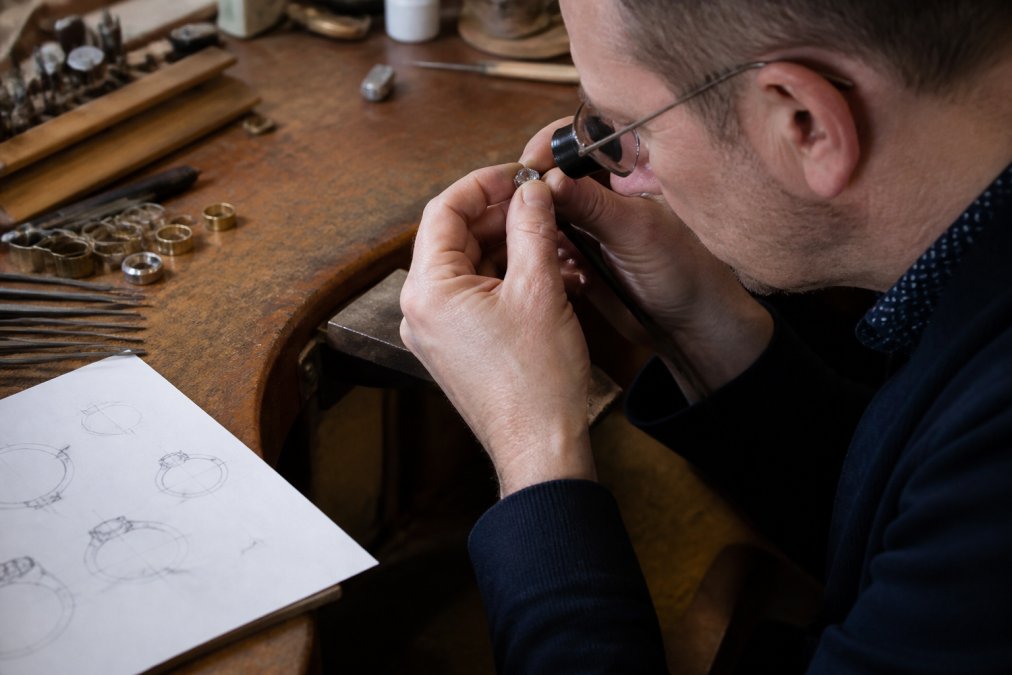
A professional jeweller uses reference images and questions about your lifestyle to help you communicate your ideas clearly. This is why initial consultations often take an hour or more, it's the foundation for everything that follows.
Design Sketches and Approval
Your jeweller creates design sketches based on your consultation, showing the proposed ring from multiple angles. This stage lets you refine details, adjusting band thickness, changing the setting style, or exploring variations, before any precious metals are worked. Some jewellers offer 3D digital renderings for an even clearer picture.
This approval phase typically involves one or two rounds of revisions. Only when you're completely satisfied does the actual crafting begin.
Crafting Your Ring
Once you've approved the design, your goldsmith begins handcrafting. The jeweller selects appropriate precious metals and shapes them to match the approved design, using techniques like casting, hand-finishing, stone-setting, and polishing. Each step requires specific expertise.
The timeline for crafting typically ranges from four to eight weeks, depending on design complexity and the jeweller's workload. This is where patience pays off, rushing compromises quality.
Remodelling Heirloom Jewellery Services
Remodelling old gold and heirloom jewellery transforms pieces with sentimental value into designs you'll actually wear. Rather than letting inherited pieces sit unworn, remodelling breathes new life into them.
The remodelling process begins with an assessment of what you have. Your jeweller examines the existing piece to determine metal quality, gemstone condition, and whether stones can be reset or if new ones should be added.
Many heirloom pieces contain solid gold or platinum worth preserving. A skilled jeweller can extract gemstones from an old setting and reset them in a contemporary design that reflects your taste. You can also combine elements from multiple pieces into a single, cohesive design, creating something entirely new while maintaining emotional connection to the originals.
The cost depends on design complexity and whether new materials are needed. A reputable jeweller will provide a clear quote before beginning work.
Custom Wedding Bands Design Process
Wedding bands deserve the same thoughtful design process as engagement rings. A custom wedding band can complement your engagement ring perfectly or serve as a standalone piece carrying its own meaning.
The design process follows a similar path to engagement rings: initial consultation, design sketches, approval, and crafting. If pairing a band with an engagement ring, the jeweller must ensure they sit together harmoniously, considering how the band will sit against the setting and whether you want them to interlock.
Custom wedding bands offer opportunities for personalisation that off-the-shelf options cannot match. You might have your wedding date engraved inside the band, select a specific metal with personal significance, or incorporate a design detail referencing something meaningful to your relationship.
Materials and Ethical Sourcing in Bespoke Jewellery
The materials you choose affect not only appearance and durability but also environmental and ethical impact.
Gold remains the most popular choice for bespoke jewellery. 18-carat gold is the standard for fine jewellery, offering a balance between purity and durability. White gold, yellow gold, and rose gold each offer distinct aesthetics, and a skilled jeweller can advise which works best with your chosen gemstone and skin tone.
Platinum is denser and more durable than gold, making it excellent for engagement rings worn daily (gia.edu). Silver is softer and more prone to scratching, so it's less commonly used for engagement and wedding jewellery.
Ethical sourcing has become increasingly important. Many people want assurance that precious metals and gemstones haven't funded conflict or caused environmental damage. Recycled gold offers one solution, it's reclaimed from existing jewellery or industrial sources, eliminating the need for new mining while delivering the same quality.
When discussing materials with your jeweller, ask about their sourcing practices. Reputable artisans can provide information about where materials come from and what measures they take to ensure ethical practices.
Bespoke Versus Off-the-Shelf: What You Should Know
The decision between a bespoke piece and an off-the-shelf design depends on your priorities, timeline, and budget.
Off-the-shelf jewellery offers immediate availability. You can browse designs and walk out with a finished piece the same day. However, you're limited to existing inventory and more likely to encounter someone else wearing an identical piece.
Bespoke jewellery takes longer, typically 6 to 12 weeks from initial consultation to finished piece, but delivers something genuinely unique, designed specifically for you. The cost comparison isn't straightforward: a simple bespoke piece might cost less than a complex off-the-shelf design from a luxury brand, while an elaborate bespoke commission could exceed ready-made options.
If you value individuality and have a specific vision, bespoke jewellery is worth the investment. If you prioritise speed and simplicity, off-the-shelf options serve that need effectively.
Working with Artisans Remotely and In-Person
One common concern about commissioning bespoke jewellery is whether you need to visit the jeweller's workshop in person. Many skilled jewellers work successfully with clients remotely through video calls, digital design tools, and detailed email communication.
The key to successful remote collaboration is clear communication. You'll need to be specific about preferences, provide reference images, and be responsive when your jeweller sends design sketches for approval. Remote work requires slightly more structured communication than in-person meetings, but it's entirely workable.
Many jewellers offer a hybrid approach: an initial consultation by video or phone, followed by remote design work, with an option to visit the workshop if desired.
Conclusion
Commissioning bespoke jewellery is a deeply personal process that transforms your vision into a tangible piece you'll treasure for a lifetime. Whether you're designing an engagement ring, remodelling a cherished heirloom, or creating a custom wedding band, working with a skilled artisan ensures your piece reflects your story and values.
At Morgan Banks, we've specialised in bespoke jewellery commissions since 1935, helping couples and individuals create pieces that matter. Our team of experienced goldsmiths guides you through every phase, from your initial vision through design sketches to the final handcrafted piece. We work with ethically sourced precious metals, offer flexible consultation options, and take pride in the artisanal quality that distinguishes a truly bespoke commission. Discover our bespoke jewellery services and design process to begin your journey toward a one-of-a-kind piece crafted with care and expertise.
Frequently Asked Questions
How do I commission a bespoke piece of jewellery?
Commissioning begins with an initial consultation where you discuss your vision, budget, and timeline with the jeweller. You'll review design sketches or 3D models before work starts, ensuring the final piece matches your expectations. The artisan then sources materials, crafts the piece, and conducts fittings or adjustments. Most bespoke jewellery designers work through multiple approval stages, allowing you to guide the process. Many also offer remote consultations via email, video calls, or post, making the process accessible even if you're not local.
What should I look for when choosing a bespoke jewellery designer?
Look for designers with a strong portfolio demonstrating diverse styles and quality craftsmanship. Check their experience with the specific type of piece you want, engagement rings, wedding bands, or heirloom remodelling. Verify their credentials through hallmarking standards and industry recognition. Read customer testimonials about their communication, timelines, and aftercare. Ask about their design process, whether they provide sketches or 3D models, and their policy on revisions. Established designers with heritage and longevity often indicate reliability and proven expertise in bespoke work.
Are bespoke jewellery pieces more expensive than off-the-shelf items?
Bespoke pieces typically cost more than mass-produced jewellery because each item is handcrafted to your specifications using quality materials and artisan labour. However, the price reflects the one-of-a-kind nature, superior craftsmanship, and longevity of the piece. You pay for personalisation, material choice, and the jeweller's expertise. Many find the investment worthwhile because a bespoke piece becomes a heirloom with emotional significance. Budget depends on materials, complexity, and the designer's reputation, discussing your budget openly with the artisan helps establish realistic expectations.
How long does it take to design a custom engagement ring?
Most bespoke engagement rings take 8 to 12 weeks from initial consultation to completion, though timelines vary. The design phase typically lasts 2 to 3 weeks, including sketches and revisions. Sourcing ethical gemstones and precious metals can add time, especially if specific materials are requested. The actual crafting and hand-finishing process takes several weeks. Expedited commissions are sometimes possible at additional cost, but rushing can compromise quality. Discussing your timeline early ensures the jeweller can accommodate your needs, particularly for wedding deadlines.