
Table of Contents
- Understand the 4Cs Before You Buy
- Select the Right Diamond Shape for a Pendant
- Choosing Diamond Necklace Metal Types
- Diamond Pendant Carat Guide for Gift-Giving
- Match Pendant Style to Setting and Chain
- Bespoke Diamond Pendant Design for a Truly Unique Gift
- Verify Quality and Ethical Sourcing
- Care and Maintenance for Long-Term Brilliance
- Frequently Asked Questions
Last Updated: September 23, 2026
Understand the 4Cs Before You Buy
The foundation of any diamond purchase starts with understanding the 4Cs: cut, colour, clarity, and carat weight. These four factors determine both the beauty and value of your diamond pendant gift.

Cut refers to how well the diamond has been shaped and faceted. A well-cut diamond reflects light brilliantly, creating that coveted sparkle. Cut quality ranges from poor to excellent, and it's often the most important factor in how a diamond actually looks.
Colour measures how colourless the diamond is. Diamonds are graded on a scale from D (colourless) to Z (light colour). For a pendant gift, stones in the D-H range offer excellent colour without the premium price tag of the rarest grades.
Clarity describes the presence or absence of inclusions and blemishes. Most diamonds contain tiny imperfections invisible to the naked eye. VS2 clarity, for example, offers excellent value; these stones appear flawless to the unaided eye while costing considerably less than higher grades.
Carat weight measures the diamond's mass. One carat equals 200 milligrams. Carat weight affects price dramatically, but a well-cut 0.5-carat diamond can outshine a poorly cut 1-carat stone.
At Morgan Banks, we help customers balance these four elements to find the perfect stone for their budget and vision. Understanding the 4Cs means you'll make an informed choice rather than simply chasing the highest numbers.
Select the Right Diamond Shape for a Pendant
The shape you choose dramatically affects how your diamond pendant gift looks when worn. Different shapes suit different necklines and personal styles.
Round brilliant is the most popular choice. It maximises sparkle and suits nearly every face shape and neckline. Round diamonds are versatile, timeless, and work beautifully in pendant settings.
Emerald cut diamonds have a rectangular shape with step-like facets. They offer a sophisticated, vintage aesthetic and suit elegant, understated designs. This shape shows colour more readily, so opt for higher colour grades if you choose emerald.
Princess cut features a square shape with brilliant faceting. It's modern and angular, offering excellent sparkle in a contemporary pendant design. Princess cuts work particularly well for younger gift recipients.
Oval cut diamonds elongate the neck visually, making them flattering for most neckline styles. Oval shapes offer the sparkle of round brilliance with a unique silhouette.
Pear shape combines the elegance of oval with a pointed end. Pear-shaped pendants create a sophisticated, feminine look and suit both classic and modern settings.
The shape you select should reflect both the recipient's personal style and the pendant's overall design. A solitaire pendant showcases the diamond's shape prominently, while halo settings frame the centre stone with smaller diamonds.
Choosing Diamond Necklace Metal Types
The metal you select for your diamond pendant gift affects its appearance, durability, and long-term value. Three precious metals dominate the jewellery market.
Yellow gold has warmed in popularity over recent years. It complements warm skin tones beautifully and creates a classic, timeless aesthetic. Yellow gold is durable, relatively affordable compared to platinum, and ages gracefully over decades. At Morgan Banks, our 18ct yellow gold lab-grown diamond pendant offers excellent value at £625.00, combining precious metal with sustainable sourcing.
White gold provides a modern, contemporary look that emphasises the diamond's sparkle. White gold is actually yellow gold mixed with other metals to create its silver appearance. It requires rhodium plating to maintain its white finish, which can wear away over time and need renewal. White gold suits cool skin tones and contemporary design preferences.

Platinum is the most durable and precious metal option. It's naturally white, requires no plating, and lasts a lifetime with minimal maintenance. Platinum costs significantly more than gold but offers unmatched durability for heirloom-quality pieces. Its density and weight feel substantial on the skin, signalling quality and permanence.
Each metal has distinct characteristics. Yellow gold feels warm and traditional. White gold offers a modern, bright appearance. Platinum represents the ultimate in durability and luxury. Your choice should align with the recipient's skin tone, personal style, and how they'll wear the pendant daily.
Diamond Pendant Carat Guide for Gift-Giving
Carat weight significantly impacts both the pendant's visual presence and its price. Understanding carat ranges helps you select the right stone for your budget and the recipient's preferences.
0.5 carat diamonds create a noticeable, elegant presence without overwhelming the wearer. They're ideal for everyday wear and suit most necklines. A 0.5-carat pendant costs considerably less than a full carat while still delivering impressive sparkle with excellent cut quality.
0.75 carat diamonds offer a middle ground between subtlety and presence. This weight provides visible impact without the premium pricing of a full carat. Many gift buyers find this range offers the best value for a special occasion piece.
1.0 carat diamonds represent a psychological milestone in jewellery gifting. A full carat creates substantial visual presence and holds strong resale value. This weight suits recipients who prefer statement jewellery or want an heirloom-quality piece.

1.5 to 2.0 carats are luxury selections for significant milestones or high-budget gifts. These larger stones command premium prices but create unmistakable elegance and presence.
For most gift-giving occasions, 0.5 to 1.0 carat provides the ideal balance of beauty, presence, and value. The diamond pendant carat guide suggests choosing based on the recipient's lifestyle. Active wearers benefit from slightly smaller stones that won't catch on clothing. Those who prefer statement jewellery may gravitate toward 1.0+ carats.
Remember: a well-cut 0.75-carat diamond often appears larger and more brilliant than a poorly cut 1.5-carat stone. Cut quality matters more than raw carat weight.
Match Pendant Style to Setting and Chain
The pendant setting and chain combination determines both the aesthetic impact and the practical wearability of your diamond pendant gift.
Solitaire settings feature a single diamond held by prongs, a bezel, or a tension design. Solitaire emphasises the diamond's beauty and lets it shine as the focal point. This classic style suits any neckline and works for both everyday wear and special occasions.
Halo settings surround the centre diamond with smaller diamonds or gemstones. Halo designs make the centre stone appear larger and add extra sparkle. They suit recipients who love maximum brilliance and glamour.
Cluster settings group multiple diamonds together in an artistic arrangement. Cluster pendants offer unique visual interest and work beautifully for custom, bespoke designs.
Chain length dramatically affects how a pendant looks when worn. A 16-18 inch chain sits near the collarbone, ideal for most necklines. An 18-20 inch chain falls closer to the breastbone, suiting lower necklines and longer necks. A 20-24 inch chain creates an elongated line, flattering for petite frames and high necklines.
The chain itself should complement the pendant's metal and style. Delicate chains suit smaller pendants, while substantial chains balance larger stones. Consider the recipient's daily activities when selecting chain thickness; active wearers benefit from strong chains that resist tangling.
At Morgan Banks, our 18ct white gold diamond cluster pendant at £995.00 demonstrates how setting choice transforms a diamond's visual impact. The cluster arrangement creates additional sparkle whilst maintaining elegant proportions.
Bespoke Diamond Pendant Design for a Truly Unique Gift
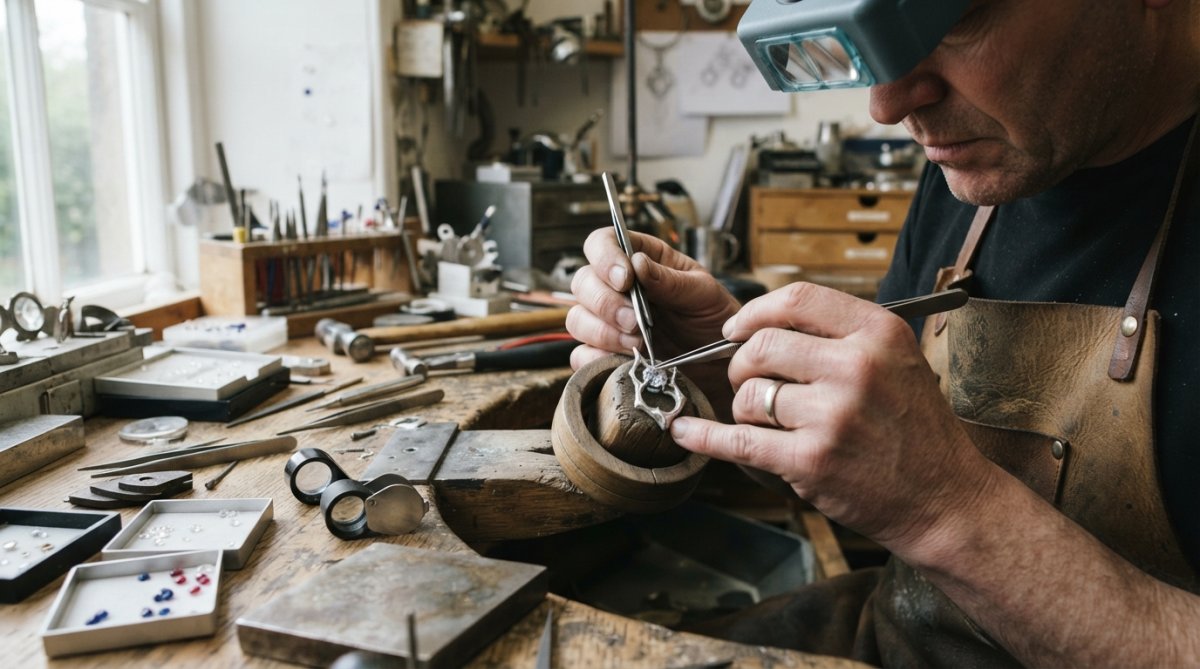
A bespoke diamond pendant gift transforms a standard purchase into a deeply personal treasure. Custom design allows you to create something that reflects the recipient's individual style and your relationship.
The bespoke process begins with consultation. You'll discuss your vision, budget, and timeline with an experienced jeweller. This conversation shapes every decision, from stone selection to metal choice to setting design.
Verify Quality and Ethical Sourcing
A diamond pendant gift should come with confidence about its quality and origin. Verifying both ensures you're giving something truly valuable, not just in monetary terms, but in integrity.
Care and Maintenance for Long-Term Brilliance
A diamond pendant gift should last a lifetime with proper care. Regular maintenance preserves its brilliance and protects your investment.
Frequently Asked Questions
What carat weight is best for a diamond pendant gift?
The ideal carat weight depends on budget and personal preference. A 0.5 to 1.0 carat diamond offers excellent brilliance and presence without excessive cost. For example, our 18ct Gold Round Brilliant Lab Grown Diamond pendant at 0.53ct (£625) delivers impressive sparkle, whilst a 1.0ct diamond pendant provides maximum impact. Smaller pendants (0.25-0.5ct) suit delicate, everyday wear, whilst larger stones (1.5ct+) make bold statements for special occasions.
How do I choose between a solitaire and a halo diamond pendant?
A solitaire pendant features a single diamond that showcases the stone's natural brilliance and clarity, ideal when the diamond itself is the focal point. A halo setting surrounds the centre diamond with smaller stones, amplifying sparkle and creating a larger appearance. For gifting, choose solitaire if the recipient values classic elegance and the diamond's quality, or halo if they prefer maximum visual impact and a more ornate aesthetic. Both styles work beautifully as heirloom pieces.
What makes a diamond pendant high quality?
Quality depends on the 4Cs: cut (how well the diamond is shaped to reflect light), colour (absence of yellow or brown tints), clarity (freedom from inclusions), and carat weight (size). A high-quality pendant combines excellent cut and clarity grades with minimal colour tinting. Lab-grown diamonds offer the same durability and brilliance as mined stones at lower cost. Always request a jewellery appraisal or certification to verify authenticity and grade before purchase.
Should I choose a lab-grown or mined diamond for a pendant gift?
Lab-grown diamonds are chemically and optically identical to mined diamonds, offering excellent value and eliminating concerns about conflict-free sourcing. Our White Gold 9ct Lab Grown Diamond Rub Over Pendant (£285) provides brilliant sparkle at an accessible price. Mined diamonds carry heritage and rarity appeal. Both create lasting heirlooms. Lab-grown suits budget-conscious gifting or those prioritising sustainability; mined diamonds appeal to traditionalists seeking natural stones with geological history.